Ⅰ Overview
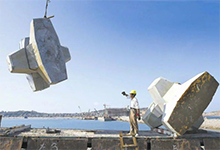
The Accropode appears to be formed by twisting the middle part of the Chinese character "王" 90 degrees horizontally. The configuration and dimensions of the original hook foot block have been modified, its protruding feet have been appropriately extended, while its cross-section has been suitably reduced. The improved length and cross-section of the protruding feet fall between those of the original hook foot block and the Accropode, retaining the characteristics of the original hook foot block while incorporating those of the Accropode block.
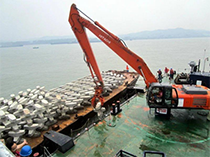
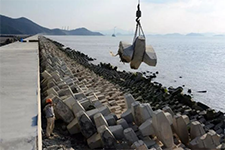
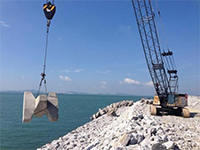
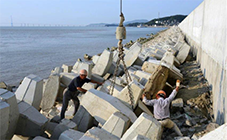
The Accropode can be installed using fixed-point random placement and regular placement. During placement, the deviation in the number of Accropodes shall not exceed 5%. Half of the block members shall be in contact with the cushion layer, and the swinging orientation of adjacent blocks shall not be identical.
Ⅱ Classification
The Accropode can be divided into two categories: Type A and Type B. Compared with Type B, Type A Accropode is slightly shorter and stouter, and Type A is more widely used. Due to its slender legs, Type B Accropode is prone to limb breakage during transportation and lifting, so its unit weight is usually limited to less than 6 tons.
Ⅲ Function
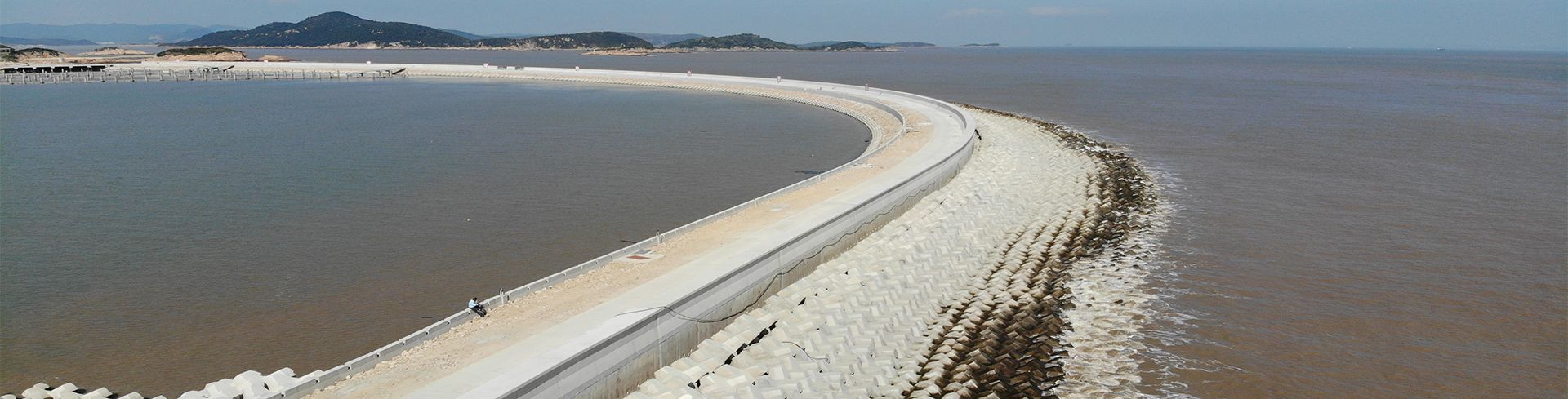
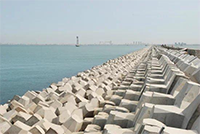
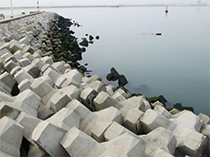
The function of the Accropode is to dissipate waves and prevent erosion. To prevent the core stones of the breakwater or revetment structure from being washed away by wind and waves, Accropodes are arranged at the outermost edge to reduce the destructive effects of wind and waves on the breakwater structure.
Ⅳ Precast
1 Technological Process
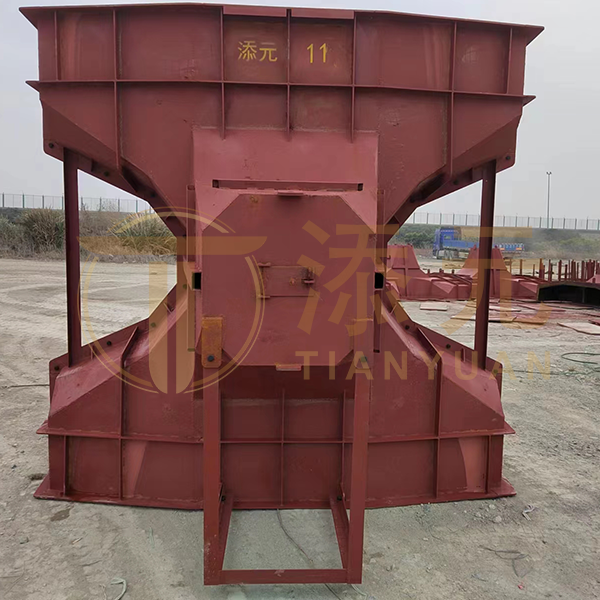
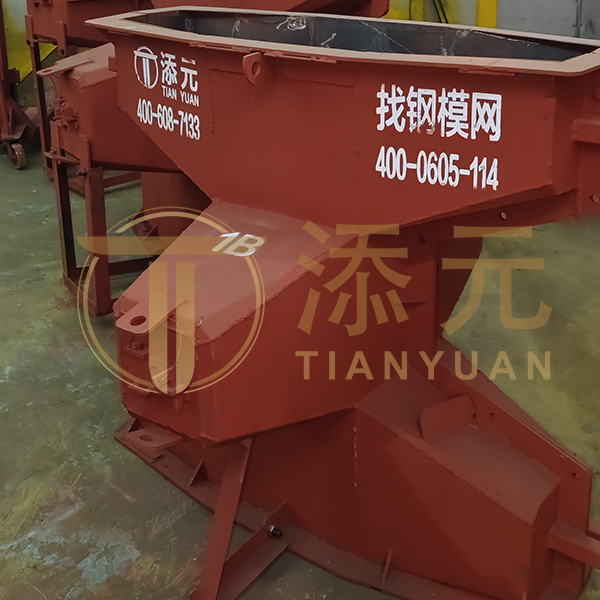
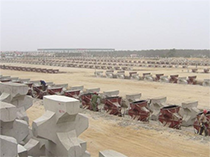
Evenly apply release agent to the formwork → Install grout stop strips → Erect the formwork → Mix the concrete → Pour the concrete → Dismantle the formwork → Transport the blocks → Stockpile and transfer
2 Concrete Pouring Process
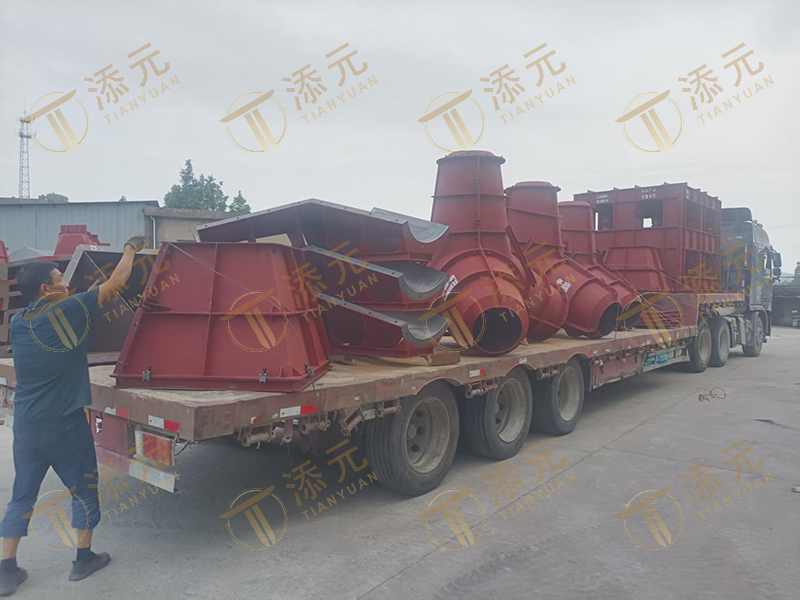
The concrete required for Accropodes shall be mixed on site and then transported to the pouring location. Concrete shall be poured in layers and compacted by vibration promptly after pouring. Before the concrete initial setting, secondary vibration and troweling must be carried out, which can effectively prevent the formation of voids and pitting on the concrete surface.
3 Formwork Removal
Formwork dismantling is a critical process, and the operation can only be performed when the concrete strength reaches at least 75% of the designed strength. The dismantling time can also be determined by an empirical method: use a hard object on site to scratch the concrete surface. If the scratch mark is white, formwork dismantling is permissible. During the demolding process, sharp impacts on the four corners of Accropodes shall be strictly prohibited. After formwork dismantling, residual concrete debris on the formwork surfaces shall be cleaned promptly, and inspections shall be conducted to check whether the formwork is damaged and whether deformation exceeds the allowable limit.
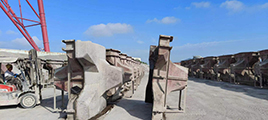
During the prefabrication and construction placement of Accropode blocks, the construction procedure shall be strictly controlled, quality management shall be strengthened, and the construction quality of the project shall be effectively guaranteed.


Ningbo Xiaolang Construction Engineering Co., Ltd.
Ningbo Tianyuan Cement Products Co., Ltd.
Yuehu Ginza, Nanzhan East Road, Haishu District, Ningbo City
+86 574 8698 8331
315012


Copyright © Ningbo Tianyuan Construction Engineering Co., LTD All Rights Reserved | Sitemap